CORRINE STOEWSAND, PH.D
COACHING FAMILIAR E INDIVIDUAL
Search Results
Search this site
Se encontraron 21 resultados sin ingresar un término de búsqueda
- Pronóstico a largo plazo del trastorno límite de la personalidad
Corrine R. Stoewsand, Ph.D. El Trastorno Límite de la Personalidad (BPD, por sus siglas en inglés) fue una vez utilizado como una etiqueta peyorativa por los médicos para los pacientes intratables. Se consideraba un trastorno crónico de por vida y muchos médicos querían evitar trabajar con pacientes tan difíciles. Gracias a los avances en la investigación y el tratamiento del TLP, es de esperar la remisión y recuperación de esta enfermedad. Para ser claros, el término "remisión de diagnóstico" se refiere a la condición en la que una persona con TLP ya no cumple con más de dos de los nueve criterios de diagnóstico. (Según el Manual diagnóstico y estadístico de los trastornos mentales, uno debe cumplir con al menos cinco de los nueve criterios para ser diagnosticado con TLP). El término "recuperación" se basa en una evaluación del funcionamiento social y vocacional (hacerlo bien en el trabajo o en la escuela y tener relaciones interpersonales significativas). “Remisión”: una persona no cumple con más de dos de los nueve criterios para TLP durante al menos dos meses “Recuperación”: una persona funciona bien en la escuela o el trabajo y tiene relaciones interpersonales significativas durante al menos dos años Dos estudios de investigación separados iniciados en la década de 1990 siguieron el curso a largo plazo del trastorno límite de la personalidad. El Estudio McLean de Desarrollo de Adultos de 290 personas con TLP fue el primer estudio y comenzó en 1992, dirigido por Mary Zanarini. El segundo estudio, conocido como Estudio Colaborativo Longitudinal de Trastornos de la Personalidad, fue lanzado en 1996, dirigido por John Gunderson, y siguió el progreso de 175 personas diagnosticadas con TLP. Ambos estudios incluyeron personas que estaban en algún tipo de tratamiento al inicio. El primer estudio comenzó con pacientes internados en el hospital McClean. El estudio colaborativo incluyó pacientes psiquiátricos hospitalizados y ambulatorios de 12 instituciones diferentes. Ambos estudios incluyeron personas con otros tipos de trastornos de personalidad como comparaciones. Ambos estudios midieron el funcionamiento social y vocacional y la salud física de los participantes cada dos años por personal de investigación que no tenía acceso a la información recopilada previamente ("evaluadores ciegos"). El Estudio Colaborativo publicó sus hallazgos después de 10 años y el Estudio McClean continuó publicando investigaciones después de 20 años. Un resumen de remisión y recuperación en cada uno de los estudios mostró resultados similares, a pesar de algunas diferencias en la definición y medición de estos dos factores. El estudio de McClean definió una buena recuperación como “Algunos síntomas leves o alguna dificultad en el funcionamiento social, laboral o escolar, pero en general funciona bastante bien, tiene algunas relaciones interpersonales significativas”. La recuperación excelente se define como “si los síntomas están presentes, son reacciones transitorias y esperables a los factores estresantes psicosociales; no más que un ligero deterioro en el funcionamiento social, laboral o escolar”. PORCENTAJE DE PERSONAS CON TLP EN REMISIÓN DIAGNÓSTICA Y RECUPERACIÓN después de 4, 10 y 20 años desde el inicio de los estudios: Desafortunadamente, la remisión diagnóstica se asoció con relaciones sociales empobrecidas, lo que sugiere que los pacientes pueden parecer remitir porque evitan las relaciones interpersonales, en lugar de desarrollar gradualmente mejores habilidades interpersonales. Es de destacar que los síntomas agudos (p. ej., automutilación) remiten más rápidamente y recurren con menos frecuencia que los síntomas temperamentales (p. ej., depresión crónica). Nunca lograr la recuperación del TLP está asociado con el deterioro vocacional y la enfermedad física. Mary Zanarini, autora principal del estudio de McClean, ha sugerido que los módulos de tratamiento dirigidos al funcionamiento vocacional, los síntomas temperamentales, la "determinación" (perseverancia) y la resiliencia (volver a intentarlo después del fracaso) podrían permitir que las personas con TLP superen las dificultades temperamentales, como volverse fácilmente abrumados o demasiado desalentados, así como aliviar parte de la vergüenza y el sufrimiento de estas personas. En resumen, el TLP se puede tratar y las personas se pueden recuperar. Estos estudios siguen el curso naturalista del diagnóstico, independientemente del tratamiento a lo largo del tiempo. Por supuesto, todavía hay margen para mejorar más los resultados, pero hoy en día existe una esperanza real para las personas diagnosticadas con TLP.
- Family Resources for Talking about Suicide
When Marsha Linehan, PhD, developed Dialectical Behavior Therapy (DBT) in the 1980s, she originally intended it to be used for treating patients who were at a high risk of suicide, with multiple suicide attempts and self-injuries. She obtained research grants because Seattle (where she was living and working) had one of the highest rates of suicide attempts of any city in the US. Soon into her research, she realized that most of her suicidal patients met criteria for BPD. Some families with loved ones with symptoms of BPD hear about suicidal thoughts or fact suicide threats regularly. Some families don't hear about any suicide ideation, but lived through an attempt that came about as a total surprise to everyone. Such families can experience everything from panic to resentment to exhaustion with regard to this issue. The science says there is no relationship between the presence and intensity of suicide ideation and suicide attempts among adolescents. Among adults there is some relationship between the intensity of suicide ideation and suicide attempts. However, there is no reliable predictor of who will attempt suicide. There are a lot of myths out there about this subject. It is recommended that family members ask openly about suicidal thoughts. One might inquire about past attempts if it was never spoken about and/or just ask a loved one if they ever think about it. It is appropriate and useful to inquire in a way that is calm, nonjudgmental, and curious. In the 12-week SWOE DBT workshop we cover the basics of talking about suicide. This is a complex subject and may be useful to do some research about the subject to have more confidence and understanding. Some useful resources about suicide ideation and information on how to respond and prevent suicide of a family member are listed below: “Risk factors and warning signs” From the CAMS (The Collaborative Assessment and Management of Suicidality) website https://cams-care.com/resources/friends-family/suicide-risk-factors-and-warning-signs-what-weve-learned-from-the-research/ “Helping someone who is struggling with suicide thoughts” From Samaritans website https://samaritanshope.org/get-help/need-to-help-someone-who-is-struggling/ "When Suicidal Thoughts Do Not Go Away" Speaking of Suicide, website by Dr. Stacey Freedenthal https://www.speakingofsuicide.com/2018/01/03/chronic-suicidality/ Also, a new book is forthcoming and I expect it to be very useful. The author survived her youth in spite of suicidal thoughts and went on to become a leader in the field of suicide prevention. Loving Someone with Suicidal Thoughts: What Family, Friends, and Partners Can Say and Do by Dr. Stacey Freedenthal, to be released in January 2023 https://www.amazon.com/Loving-Someone-Suicidal-Thoughts-Harbinger/dp/1648480241/
- Revista Forbes: ¿Por qué Mindfulness es la clave para desempeñarte en tu máximo potencial? (Texto en
Leer en Forbes Online aquí. Living in the moment can feel like an impossible task in today’s world. Social media alerts, emails, and text messages call you away from whatever task we're attempting to perform. And technology isn’t the only reasons we’re distracted. There’s a tug-of-war going on in our brains. We're rehashing what happened yesterday one minute, and worrying about what might happen tomorrow the next. Why Living In The Here And Now Matters The only time you can change your behavior is right now. You can’t go back and undo that mistake you made yesterday. And you can't leap ahead to make sure you perform well tomorrow. All you can do is change how you’re behaving right now. But, to change your behavior, you must be present in the moment. When you’re mindful, you’re fully aware of what is happening right here, right now. That’s when you’re able to perform at your peak. Most of us are rarely living in the present moment, however. According to a study by the Microsoft Corp, the average attention span in today’s world is about eight seconds. That means goldfish have longer attention spans than humans. Another study found that we’re distracted 47% of the time. The study also found that being distracted takes a serious toll on our happiness. It’s no wonder most people feel unproductive and frazzled. We’re terrible multi-taskers, yet we can’t stick to a single task. Benefits Of Mindfulness Everyone from elite athletes to top business executives are starting to harness the power of mindfulness. Emerging research continues to show just how powerful living in the moment can be. Here are just a few benefits of mindfulness: • Increased relationship satisfaction: Couples who practice mindfulness have healthier relationships. They report less conflict and improved communication. • Improved physical health: Studies have linked mindfulness to a wide range of health benefits, including reduced pain and lower blood pressure. Mindfulness has also been found to boost immunity. • Decreased emotional reactivity: Studies indicate that mindfulness can decrease the intensity of negative emotions. You’ll be better able to perform better, despite whatever difficulties you’re experiencing around you. • Heightened focus: Researchers have found that mindfulness improves attention. With practice, you’ll be better able to ignore distractions and stay on task. • Increased mental strength: Studies show mindfulness reduces stress and improves psychological health. People who practice mindfulness lower their risk of mental health problems. Train Your Brain To Be Still Imagine what it would be like to be fully focused on your work. And think of how wonderful it would feel to be completely present when you’re playing with your kids or talking to your partner. You could fully enjoy what was happening without your mind wandering. Or, what if your whole workforce learned mindfulness? It’s likely that happiness and productivity would skyrocket, which isn’t just good for the employees, it’s also good for the company’s bottom dollar. The good news is, anyone can learn to train to their brains to be mindful. Just like any new skill, it takes dedication and commitment. But with practice, it gets easier. Learning mindfulness can be as simple as learning to concentrate on your breath. Paying attention as you inhale and exhale. But of course, in our world full of distractions, staying focused on something so simple isn’t an easy task. There are lots of books, CDs and seminars that can help improve your mindfulness skills. Amy Morin is a psychotherapist and the author of the bestselling book 13 Things Mentally Strong People Don't Do. Leer en Forbes Online aquí.
- Taller para familias - Comienza 1 de junio
Ofrecemos un TALLER PARA FAMILIARES que tienen un ser querido con inestabilidad emocional y/o conducta impulsiva. Comenzamos lunes, 1 DE JUNIO. 7:30 p.m. Argentina. 6:30 Miami. 5:30 p.m. Panama, Ecuador, Colombia, Peru. 12 semanas. Con Carola Pechon y Corrine Stoewsand. ¡Es una gran alegría para nosotras volver a coordinar juntas este taller actualizado. Lo desarrollamos hace 15 años y durante 8 lo coordinamos juntas en Fundación Foro!
- Por qué todos deberíamos dejar de decir "Sé exactamente cómo te sientes"
Tu no sabes! Y con esta respuesta, alejas el foco de alguien que probablemente solo quiere ser escuchado. Así es, como se es un compañero de conversación más considerado, dice la presentadora y escritora de radio Celeste Headlee. Una amiga intima, perdió a su padre hace unos años. La encontré sentada sola fuera de nuestro lugar de trabajo, solo mirando el horizonte. Estaba absolutamente angustiada, y no sabía qué decirle. Es tan fácil decir algo incorrecto a alguien afligido y vulnerable. Entonces comencé a hablar de cómo crecí sin un padre. Le dije que mi padre se había ahogado en un submarino cuando solo tenía nueve meses y que siempre había llorado su pérdida, aunque nunca lo había conocido. Quería que se diera cuenta de que no estaba sola, que había pasado por algo similar y que podía entender cómo se sentía. Pero después de relatar esta historia, mi amiga me dijo, "Bien, Celeste, tú ganas. Nunca tuviste un padre y al menos yo llegué a pasar 30 años con el mío. Lo has pasado peor que yo!, Creo que no debería estar tan enojada porque mi papá acaba de morir ". Estaba aturdida y mortificada. "No, no, no", le dije, "eso no es lo que estoy diciendo en absoluto. Solo quería decir que sé cómo te sientes ". Y ella respondió: "No, Celeste, tú no. No tienes idea de cómo me siento ". El narcisismo conversacional, a menudo sutil e inconsciente, es el deseo de hacer la mayor parte de la conversación y enfocarse en el centro del intercambio. Ella se alejó y yo me quedé allí sintiéndome como una idiota. Había querido consolarla y, en cambio, la había hecho sentir peor. Cuando ella comenzó a compartir sus emociones crudas, me sentí incómoda, así que dejé de usar un tema con el que me sentía cómoda: YO MISMA. Quería hablar sobre su padre, contarme sobre el tipo de hombre que era. Ella quería compartir sus recuerdos más preciados. En cambio, le pedí que escuchara mi historia…. Desde ese día en adelante, comencé a notar la frecuencia con la que respondía historias de pérdida y luchaba con historias de mis propias experiencias. Mi hijo me contaba sobre un choque con un niño en Boy Scouts, y yo hablaba sobre una chica con la que me caí en la universidad. Cuando despidieron a un compañero de trabajo, le conté lo mucho que me costaba encontrar un trabajo después de haber sido despedida años antes. Pero cuando comencé a prestar más atención, me di cuenta de que el efecto de compartir mis experiencias nunca fue lo que pretendía. Lo que todas estas personas necesitaban era que las escuchara y reconociera lo que estaban pasando. En cambio, los obligué a escucharme. El sociólogo Charles Derber describe esta tendencia como "narcisismo conversacional". A menudo es sutil e inconsciente, es el deseo de entablar una conversación, hacer la mayor parte de la conversación y cambiar el enfoque del intercambio hacia usted mismo. Derber escribe que "es la manifestación clave de la psicología dominante que capta la atención en Estados Unidos". Él describe dos tipos de respuestas en las conversaciones: una respuesta de cambio y una respuesta de apoyo. El primero cambia la atención a ti mismo, y el segundo apoya el comentario de la otra persona. Ejemplo número 1: Respuesta de cambio Maria: Estoy tan ocupada en este momento. Matin: Yo también. Estoy totalmente abrumado. La respuesta de soporte Maria: Estoy tan ocupada en este momento. Martin: ¿Por qué? ¿Qué tienes que hacer? Ejemplo número 2: La respuesta de cambio Karen: necesito zapatos nuevos. Mark: Yo también. Estas cosas se están cayendo a pedazos. La respuesta de soporte Karen: necesito zapatos nuevos. Mark: ¿Ah, sí? ¿En qué tipo estás pensando? Las respuestas de cambio son un sello distintivo del narcisismo conversacional: te ayudan a volverte constantemente hacia ti mismo. Pero una respuesta de apoyo alienta a la otra persona a continuar su historia. Les hace saber que estás escuchando e interesado en escuchar más. Podemos disfrazar astutamente nuestros intentos de cambiar el enfoque, podríamos comenzar una oración con un comentario de apoyo y luego seguir con un comentario sobre nosotros mismos. El juego de captura se usa a menudo como una metáfora para la conversación. En un juego real de captura, te ves obligado a tomar turnos. Pero en la conversación, a menudo encontramos formas de resistirnos a darle un turno a alguien más. Algunas veces, usamos medios pasivos para tomar sutilmente el control del intercambio. Este tira y afloje por la atención no siempre es fácil de seguir. Podemos disfrazar muy astutamente nuestros intentos de cambiar el enfoque. Podríamos comenzar una oración con un comentario de apoyo, y luego dar seguimiento con un comentario sobre nosotros mismos. Por ejemplo, si un amigo nos dice que acaban de recibir un ascenso, podemos responder diciendo: "¡Eso es genial! Felicitaciones. Voy a pedirle a mi jefe un ascenso también. Espero obtenerlo ". Tal respuesta podría estar bien, siempre y cuando permitamos que el foco vuelva a la otra persona. Sin embargo, el equilibrio saludable se pierde cuando repetidamente nos devolvemos la atención a nosotros mismos. Si bien la reciprocidad es una parte importante de cualquier conversación significativa, la verdad es que cambiar la atención a nuestras propias experiencias es completamente natural. Los humanos modernos estamos programados para hablar de nosotros mismos más que cualquier otro tema. Un estudio encontró que "la mayoría del tiempo de conversación social se dedica a declaraciones sobre las propias experiencias y / o relaciones emocionales del hablante, o de terceros que no están presentes". La ínsula, un área del cerebro que se encuentra en el interior de la corteza cerebral, capta la información que nos dicen las personas y luego trata de encontrar una experiencia relevante en nuestros bancos de memoria que pueda contextualizar la información. Es sobre todo útil: el cerebro está tratando de dar sentido a lo que escuchamos y vemos. Subconscientemente, encontramos experiencias similares y las agregamos a lo que está sucediendo en este momento, y luego todo el paquete de información se envía a las regiones límbicas. Ahí es donde surgen algunos problemas: en lugar de ayudarnos a comprender mejor la experiencia de otra persona, nuestras propias experiencias pueden distorsionar nuestras percepciones de lo que la otra persona dice o experimenta. “Cuanto más cómodo te sientes, más difícil es empatizar con el sufrimiento de otro.” Un estudio del Instituto Max Planck de Ciencias Cognitivas y Cerebrales Humanas sugiere que nuestros egos distorsionan nuestra percepción de nuestra empatía. Cuando los participantes veían un video de gusanos en un entorno grupal, podían comprender que otras personas podrían sentir repulsión por ello. Pero si a una persona se le mostraban imágenes de cachorros mientras a los demás se le mostraba el video del gusano, el cachorro generalmente subestimaba el resto de la reacción negativa del grupo hacia los gusanos. La autora del estudio, la Dra. Tania Singer, observó: "Los participantes que se sentían bien ellos mismos evaluaron las experiencias negativas de sus parejas como menos severas de lo que realmente eran. En contraste, aquellos que acababan de pasar por una experiencia desagradable evaluaron la buena experiencia de sus parejas de manera menos positiva ". En otras palabras, tendemos a usar nuestros propios sentimientos para determinar cómo se sienten los demás. Así es como se traduce en sus conversaciones diarias: supongamos que usted y un amigo son despedidos al mismo tiempo por la misma compañía. En ese caso, usar tus sentimientos como una medida de los sentimientos de tu amigo puede ser bastante preciso porque estás experimentando el mismo evento. ¿Pero qué pasa si estás teniendo un gran día y conoces a un amigo que acaba de ser despedido? Sin saberlo, puedes juzgar cómo se siente tu amigo en contra de tu buen humor. Ella dirá: "Esto es horrible". Estoy tan preocupado que me siento mal del estómago. "Responderias: ," No te preocupes, estarás bien. Me despidieron hace seis años y todo salió bien. "Cuanto más cómodo te sientes, más difícil es empatizar con el sufrimiento de otro. Me llevó años darme cuenta de que era mucho mejor en el juego de captura que en su equivalente coloquial. Ahora trato de ser más consciente de mi instinto de compartir historias y hablar sobre mí mismo. Intento hacer preguntas que animen a la otra persona a continuar. También hice un esfuerzo consciente para escuchar más y hablar menos. Recientemente, tuve una larga conversación con un amigo que estaba en proceso de divorcio. Pasamos casi 40 minutos hablando por teléfono, y apenas dije una palabra. Al final de nuestra llamada, ella dijo, "Gracias por tu consejo. Realmente me has ayudado a resolver algunas cosas ". La verdad es que no le he ofrecido ningún consejo. La mayoría de lo que dije fue una versión de "Eso suena difícil". Lamento que te esté pasando esto ". No necesitaba consejos ni historias mías. Ella solo necesitaba ser escuchada. Extraído con permiso del nuevo libro We Need to Talk: Cómo tener conversaciones que importan por Celeste Headlee. Publicado por Harper Wave, una imprenta de HarperCollins Publishers. © 2017 Celeste Headlee. Edición y Traducción: Lic. Gumiy, Natali, equipo Power MIndfulness.
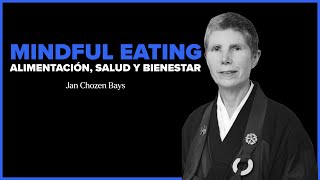
- Video completo: Comer Consciente: Alimentación, Salud y Bienestar.
Excelente video sobre Alimentación Consciente y Bienestar, dado por dos especialistas en el 30º Encuentro de Mindfulness en Madrid. Con Jan Chozen Bays y Char Wilkins. Jan Chozen Bays, MD es pediatra y maestra Zen. Desarrolló sus estudios de medicina en la Universidad de California. Se entrenó como practicante Zen en EE.UU. y Japón. Desde 2001 es co-abad del Monasterio Great Vow Zen en Oregon. Autora de varios libros de mindfulness, entre ellos: "Comer Atentos", un libro de referencia en este campo. Char Wilkins es psicoterapeuta especializada en Programas Basados en Mindfulness. Char ha trabajo durante años con mujeres que han sufrido malos tratos en su infancia, también en trastornos de ansiedad, trastornos de alimentación y depresión. Es asesora de el Centro para la Alimentación Conciente. Juntas han ofrecido en los últimos 20 años entrenamientos en Programas de Alimentación Basados en Mindfulness para profesionales de los EE.UU., México y Europa.
- RETIRO de silencio
RETIRO DE MINDFULNESS 1-4 Octubre 2020 ONLINE - EN VIVO DESDE TU CASA info@foromindfulness.com “La presencia invita a la presencia cuando no hay resistencia, no hay propiedad sobre las ideas, experiencias o cosas, no hay preocupación, no hay prisa, juicios, o defensas – sólo la tranquilidad de la vida cuando nos encontramos sin querer que las cosas sean diferentes.” ¿Quién puede participar? El Retiro de Mindfulness será online en vivo y estará abierto tanto a los alumnos y ex alumnos de Foro Mindfulness, como al público general. Es un retiro dirigido a quienes quieren explorar la experiencia de estar en silencio y atender a lo que sucede en el presente para conocerse a sí mismo. Practicando juntos, nos apoyamos en la experiencia de las meditaciones. Se realizarán prácticas de yoga y habrá oportunidades para realizar caminatas o movimientos. No es necesario tener experiencia previa con meditación. ¿Cuánto tiempo dura el retiro? El retiro comienza el jueves 1 de octubre a las 17hs y continúa hasta el domingo 4 de octubre a las 15hs. ¿Por qué es tan importante realizar un retiro de silencio? Para realmente entender la práctica de mindfulness y su potencial para el despertar y el insight, el silencio es esencial. En la mayoría de las tradiciones contemplativas los practicantes se retiran de las distracciones y el estrés de la vida cotidiana para indagar en la experiencia íntima del ser. Un retiro de silencio profundiza la práctica de estar aquí mismo en el momento presente con lo que sea que surja. Al regresar a la vida diaria, se percibe mayor claridad mental, concentración y ecuanimidad junto a la inspiración de practicar en la vida cotidiana.
- Tour Pyme 2019
Los mejores especialistas en Pymes en un solo lugar Este 24 de septiembre se realizará la décimo séptima edición de las Jornadas Tour Pyme organizadas por el Centro de Capacitación y Empresa en el Polo Científico Tecnológico de Buenos Aires. El evento abordará temas tales como la Estrategia Pyme con Jonatan Loidi (Argentina); Necesidades del cliente con Marcela Reynolds (Chile); Comercialización y Ventas con Fernando Luchetti (Argentina); Atención Plena con Corrine Stoewsand (Estados Unidos); De hijos a líderes con Martin Quiros (Argentina); Talento para la transformación con Rodrigo Saa (Chile) Los especialistas responderán, entre otros, a los interrogantes de ¿Cómo hacer que la innovación sea la principal ventaja de nuestra empresa?; ¿Cómo descubrir lo que ningún competidor sabe y transformarlo en diferenciación?; o ¿Cómo lograr la máxima efectividad comercial en nuestra empresa?
- Retiro de Mindfulness
del 19 al 22 de Septiembre | Mercedes, Argentina
- Corrine entrevistada en el diario La Nacion: "Mindfulness, o cómo cura la mente en el aquí y el
Focalizar la atención en el momento presente reduce los niveles de estrés y combate la ansiedad y la depresión Podes leer la nota desde el diario La Nación online haciendo click aquí. Reduce el estrés, controla la ansiedad y la depresión, incrementa la estabilidad emocional, mejora la comunicación interpersonal, desarrolla la autoaceptación, restaura la energía? El asombroso abracadabra no es una nueva tecnología ni emerge de la sabiduría de la Web. " Mindfulness consiste en traer la atención al momento presente, al aquí y ahora; prestar atención a lo que estamos haciendo en lugar de dejar que nuestra mente vague. La práctica también incluye cultivar la aceptación: dejar ir los juicios de valor, interpretaciones y críticas que tan a menudo surgen en nuestra mente y provocan mucho estrés. Y cultivar nuestra capacidad de concentración atendiendo una cosa a la vez", explica Corrine Stoewsand, una estadounidense formada en Tailandia, que desde hace casi diez años es instructora de Mindfulness en Buenos Aires. "Pero no es sólo estar presente y aceptar cada momento desplegando un estado de absoluta serenidad y concentración ininterrumpida", aclara. "También es un estilo de vida que debemos aplicar a todos nuestros actos. Cada paso que tomamos puede ser nuestro camino a la vida consciente", explica. Es una apelación a la sabiduría interior. "La práctica de mindfulness ayuda a las personas a ser más conscientes, de una manera no crítica de sus sentimientos y síntomas. Por esta razón, un número de estudios ha demostrado cómo la atención plena puede reducir la ansiedad y la depresión en pacientes con una amplia gama de trastornos", comenta a LA NACION el doctor Andrew Newberg, director del Centro de Medicina Integrativa Myrna Brind del Instituto Universitario Thomas Jefferson, en Pensilvania, y autor de múltiples estudios, publicados en diversas revistas científicas. Uno de los ejes de sus trabajos consiste en rastrear los efectos orgánicos de una práctica de corte más bien espiritual y emocional. Por ejemplo, su eficacia en el control de síntomas provocados por enfermedades neurodegenerativas, como el Parkinson o la esclerosis múltiple. Resultados psicológicos positivos confirmados ¿Cómo y por qué la práctica de mindfulness es capaz de producir cambios funcionales y anatómicos en el cerebro? "La explicación más simple podría ser la de relacionar la meditación con un tipo de ejercicio para el cerebro. Cuanto más lo haces, las neuronas disparan más específicos y se conectan con otras neuronas. Cuanto más lo haga, más fuertes serán las conexiones. Por lo tanto, la meditación parece aumentar la actividad global en el cerebro", explica el investigador estadounidense. Aunque la evidencia científica que avala los beneficios del mindfulness es nueva, las raíces de la práctica tienen apenas algunos miles de años. El doctor Pablo Gagliesi, médico psiquiatra y coordinador de la Fundación Foro, historiza el recorrido que la meditación hizo hasta convertirse en mindfulness: "En la década del 70 surge en Estados Unidos una generación que empezó a trabajar con la meditación, entre ellos, Jon Kabat Zinn, un médico que se dedicaba a trabajar con pacientes cardiológicos e indagaba el efecto del estrés sobre la salud cardiovascular". Kabat Zinn se fue como investigador y volvió como monje; llegó al Tíbet para descubrir qué hacía que los monjes budistas tuviesen una curiosa y particular fisiología, que los eximía por ejemplo de la hipertensión arterial. "Estudió la ceremonia del té, las respiraciones, etc. Y descubrió que no importa si hay o no mantras, si hiperventilan o no, si se sientan o no. Lo común a todos es el control de la atención para estar aquí y ahora. Los monjes consiguen controlar su atención, que es una función del cerebro humano que está muy desarrollada; nosotros podemos guiar nuestra atención para un propósito determinado, para poder tener planes de acción, la función clave es la atención. Él encontró que los monjes están presentes en el aquí y ahora, atendiendo el momento. Es una domesticación de la atención, para traerla al aquí y ahora, despegándola de la dictadura del futuro y liberándola de las anclas del pasado", relata poéticamente el doctor Gagliesi. A su retorno, Jon Kabat Zinn creó en la Escuela de Medicina de la Universidad de Massachusetts el programa Reducción del Estrés Basado en la Atención Plena (Rebap). La base del programa es la práctica de la atención plena, definida por su creador como la "atención momento a momento a la experiencia presente, sin hacer juicios y con una actitud de aceptación". La práctica de esta técnica pretende enseñar a la mente a prestar atención al presente postulando que la disminución de las preocupaciones acerca del pasado y el futuro puede ayudar a aumentar la aceptación y disminuir el estrés. Uno de los ejemplos más sencillos y asombrosos que ponen en evidencia el valor del momento presente surgió de las investigaciones realizadas con pacientes que sufren dolor crónico. En general, estas personas suman a su dolor el peso por el malestar futuro y el sufrimiento por el dolor que vienen acarreando desde hace tiempo. La inclusión de la meditación tenía como objetivo sólo lo siguiente: estar con el dolor que se tiene acá y ahora. Y el dolor duele menos. Sin evaluaciones El concepto de atención plena en el momento presente que propone el mindfulness consiste en centrar la atención de forma sostenida al contenido mental, pero sin pensar sobre él, es decir, sin que sea objeto de evaluaciones. Además incluye una serie de prácticas cotidianas: Comer con sabiduría: consiste en volver a contactarse con las señales innatas del hambre y la saciedad y el equilibrio nutricional con el que todo ser humano nace. Es reaprender a comer de modo intuitivo, basado en su propia sabiduría interior. Eliminar los pensamientos negativos y aceptar las emociones: aprender a dejar que los pensamientos negativos fluyan, con aceptación relajar el cuerpo y descansar la atención de las emociones, en vez de alimentarlas con pensamientos. Aprendemos a aceptar nuestras emociones en lugar de intentar escapar de ellas. Practicar yoga: los alineamientos posturales y las técnicas de relajación y respiración ayudan a tener otra conciencia corporal y eliminar las tensiones. La abogada Olga Beatriz Strier confiesa que gracias al entrenamiento diario de ejercicios de compasión, autoaceptación y amor incondicional hacia sí misma y hacia los demás, aprendió a vivir con conciencia plena el momento presente, con una actitud de aceptar sin juzgar la experiencia, hecho que se tradujo en una evidente reducción de sus niveles cotidianos de estrés y aumento de su sentimiento de satisfacción existencial. Ver en La Nacion Online